- Mon - Fri : 8.00 AM - 7.00 PM
- 2421 S, Drake Ave, Chicago, IL 60623 USA
- Welcome To Chicago Roof Repair Pros
Flat Roof Maintenance Services
Flat roofs do not behave like pitched roofs, and they cannot be maintained the same way. On a sloped roof, water moves. On a flat roof, water wants to stay. That fundamental difference means every component of a flat roofing system is under a type of stress that pitched roofs never experience. Drainage systems carry the full burden of water removal. Seams endure constant thermal expansion and contraction. The membrane surface sits under standing water after every rain event if drainage is even slightly compromised. Neglecting flat roof maintenance does not just shorten the roof’s life. It guarantees problems that are expensive, disruptive, and often avoidable. We specialize in flat roof maintenance for both residential and commercial properties, and we approach every visit knowing exactly where flat roofs fail and why.
Request A Free Quote
Completed Projects
0
+
5 Star Reviews
0
+
Happy Customers
0
+
Why Flat Roofs Need Regular Maintenance
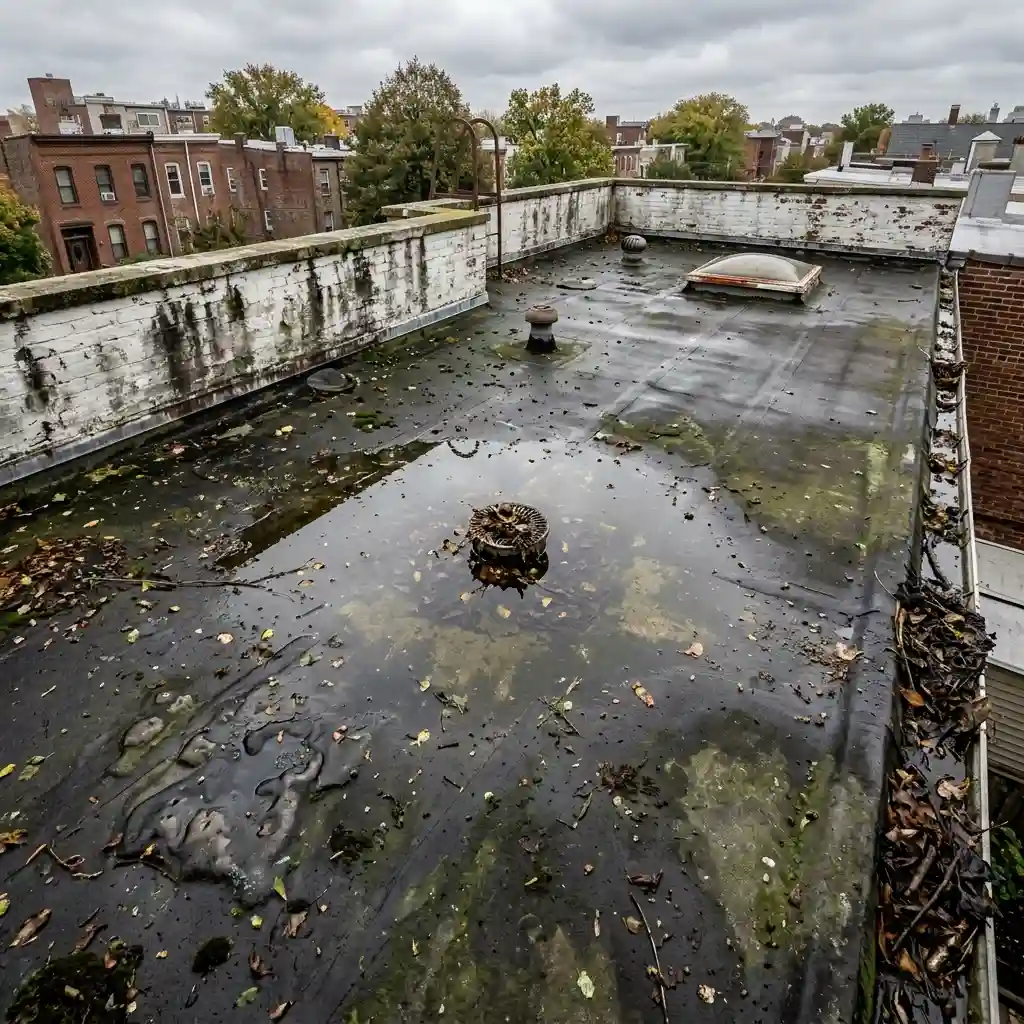
Flat roofs rely entirely on proper drainage and membrane integrity to keep water out. When drains clog, water pools, adding weight and increasing the risk of leaks. Even small cracks, seam separations, or membrane damage can allow moisture to penetrate the roofing system over time.
Temperature changes also cause flat roof materials to expand and contract throughout the year, placing constant stress on seams and joints. Regular maintenance helps identify and correct these issues before they lead to saturated insulation, structural damage, interior leaks, mold growth, and costly repairs.
Expert Roof Work You Can Trust
Licensed, Insured & Guaranteed
Warning Signs Your Flat Roof Needs Attention
Ponding Water & Drainage Issues
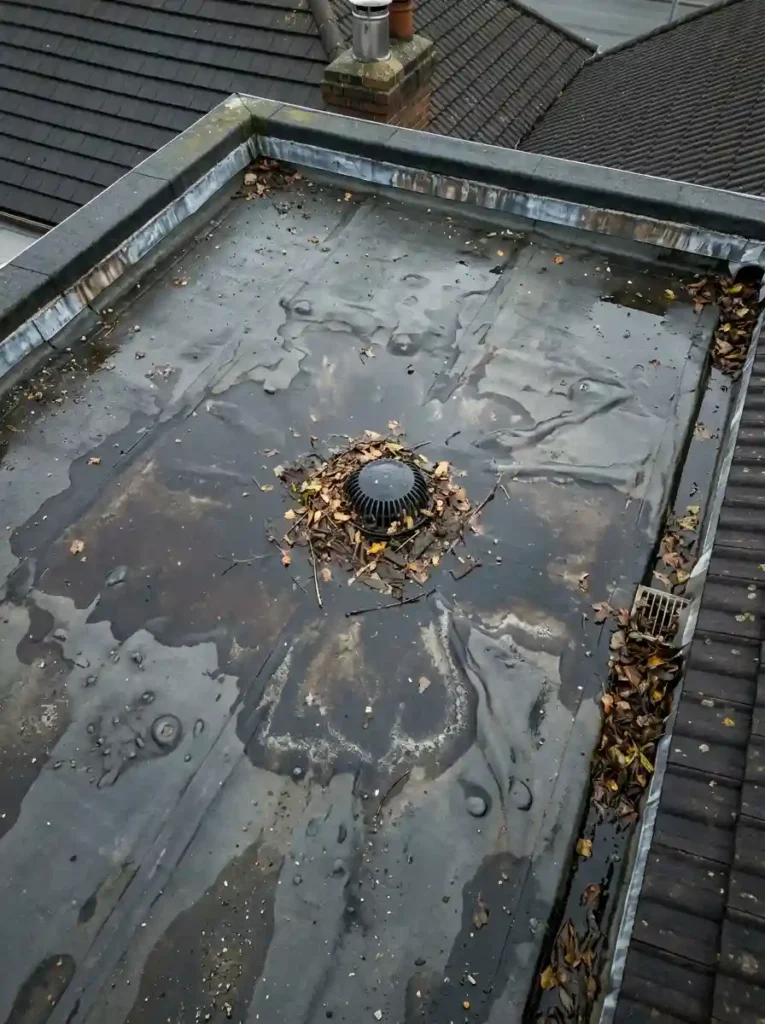
Water that remains on the roof more than 48 hours after rainfall often indicates blocked drains, clogged scuppers, or improper drainage and can lead to accelerated membrane deterioration.
Blisters, Cracks & Surface Deterioration
Bubbling, blistering, surface cracking, and alligatoring are signs that the roofing membrane is aging, retaining moisture, or losing its ability to resist water intrusion.
Open Seams & Damaged Flashing
Cracked seams, lifted flashing, and failed seals around parapet walls, curbs, and roof penetrations are among the most common causes of flat roof leaks and should be addressed promptly.
Interior Leaks & Water Stains
Ceiling stains, active dripping, or signs of moisture inside the building indicate that water has already entered the roofing system and requires immediate professional inspection.
What We Inspect on Every Flat Roof Visit
Flat roof maintenance requires a system-specific, detail-level inspection. We do not walk the surface and check a box. Here is what every visit covers.
Membrane Surface Inspection
We assess the entire roof field for cracks, blisters, punctures, surface deterioration, and signs of standing water that may indicate drainage issues.
Seams & Flashing Systems
All seams, lap joints, base flashings, counterflashings, and roof penetrations are inspected for lifting, separation, cracking sealant, and potential leak points.
Drains & Water Flow
We clear internal drains and scuppers of debris, verify proper drainage, and inspect drain components to ensure water is moving off the roof efficiently.
HVAC Equipment & Roof Penetrations
We inspect rooftop equipment, support curbs, and surrounding membrane areas for damage, wear, and foot traffic issues that can compromise the roof system.
Parapet Walls & Roof Edges
Parapet walls, coping caps, edge metal, and drip edges are checked for corrosion, open joints, failed sealants, and membrane termination issues.
Minor On-Site Repairs
Small maintenance items such as sealant touch-ups, minor membrane repairs, blister treatment, and drain clearing are completed during the visit whenever possible.
Flat Roof Systems We Maintain
Each flat roofing material has its own specific failure patterns and maintenance requirements. We maintain all of them, and we know the difference.
TPO
requires regular inspection of heat-welded seams, which are the system's primary defense against water. We check seam width, adhesion quality, and look for punctures along rooftop traffic paths. Edge termination conditions and pipe boot integrity are also priority areas.
EPDM
maintenance focuses on lap seam adhesion, which uses adhesive bonding rather than welding and is susceptible to long-term adhesive degradation. We check for membrane shrinkage away from flashings and assess rubber-to-metal interface conditions around all penetrations.
Modified Bitumen
inspections address cap sheet granule retention, blister presence and size, lap joint condition at both field seams and flashing terminations, and surface oxidation levels that indicate aging membrane performance.
Built-Up Roofing (BUR)
maintenance covers ballast distribution, gravel surfacing integrity, drain sump condition, and assessment of any areas where subsurface moisture may have compromised the roofing plies beneath the surface layer.
PVC
systems need seam integrity verification and assessment for any chemical exposure from rooftop kitchen exhaust or industrial equipment, which can break down PVC membrane chemistry faster than UV exposure alone.
Drainage: The Most Critical Part of Flat Roof Maintenance
Proper drainage is one of the most important factors in flat roof performance. When water remains on the roof surface, it accelerates membrane deterioration and increases the risk of leaks at seams, flashings, and other vulnerable areas. Even a small drainage issue can significantly shorten a roof’s lifespan.
During every maintenance visit, we inspect drains, scuppers, and low areas where water may collect. We look beyond simple blockages to identify underlying drainage problems, including roof settlement and improper slope. By addressing these issues early, we help prevent premature roof failure and costly repairs.
How Our Flat Roof Maintenance Process Works
Our process is designed to be thorough, transparent, and practical for both residential and commercial flat roof owners.
01
Free inspection and drainage assessment
We start with a full assessment of the roof system, drainage performance, and current membrane condition. This baseline tells us exactly what the roof needs and how often it should be visited.
02
System-specific inspection
Every visit is performed with your specific membrane type in mind. We know where TPO fails, where EPDM shrinks, and where modified bitumen oxidizes first.
03
On-site minor repairs
Small issues found during inspection are addressed before we leave. No separate scheduling, no extra mobilization charge for minor work.
04
Photo report and written findings
You receive a clear, photo-supported written report of everything we found and everything we did. This report is your maintenance documentation.
05
Separate quote for larger work
If a repair is outside the minor maintenance scope, we document it and provide a separate written quote. Nothing is done without your approval.
Flat Roofs We Maintain: Residential and Commercial
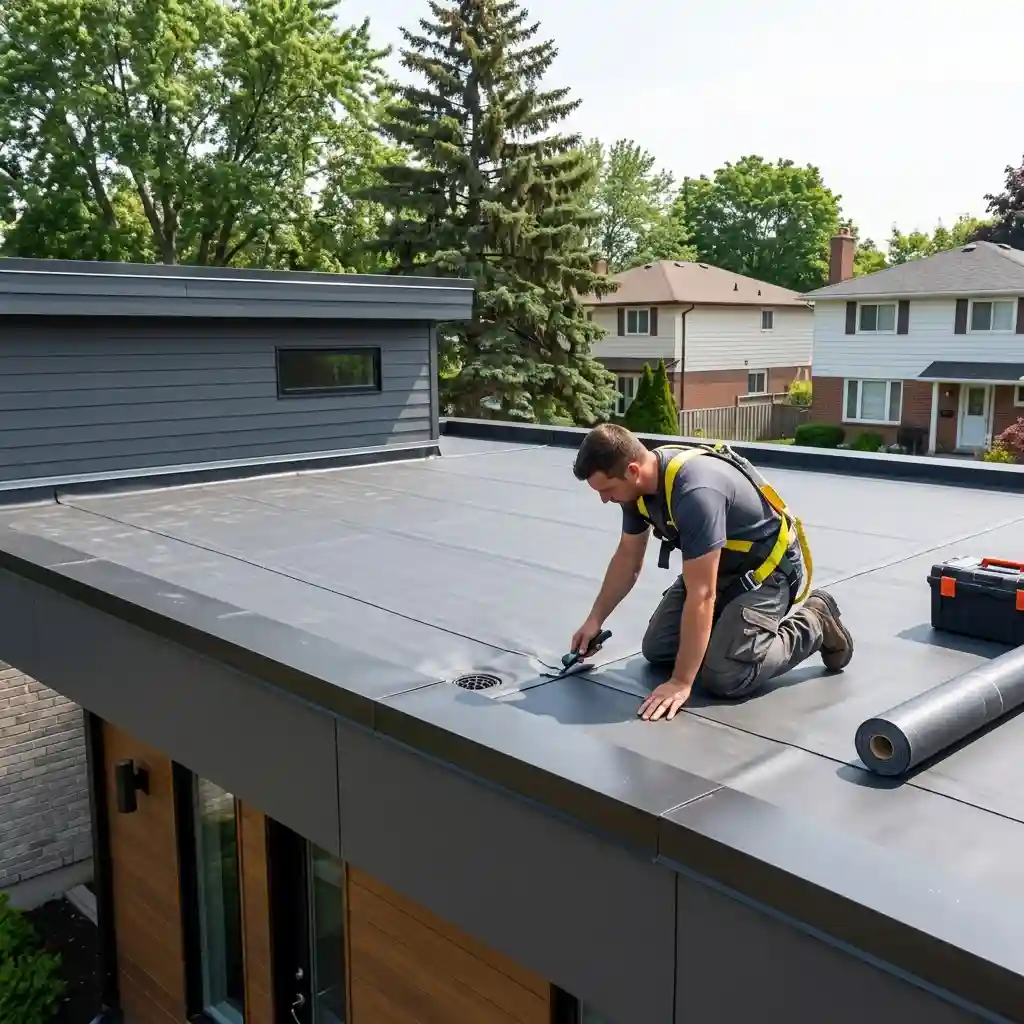
Flat roof maintenance is not just for large commercial buildings. Many residential properties have flat or low-slope roofs that require the same system-specific attention. We maintain flat roofs on residential bungalows, two-flats, coach houses, and additions just as thoroughly as we maintain flat roofs on commercial and industrial buildings. The maintenance principles are the same regardless of building type. What changes is the size, the access logistics, and sometimes the membrane system in use. Whether you own a home with a flat garage roof or manage a commercial building with 50,000 square feet of membrane, our maintenance program is built to fit your specific situation.
- Why Choose Us
Why Choose Us for Flat Roof Maintenance
At Chicago Roof Repair Pros, we specialize in flat roof maintenance and understand the unique requirements of every major roofing membrane system. Our team has the experience to identify membrane-specific issues, drainage problems, and early signs of failure before they turn into costly repairs. All work is performed by licensed and insured professionals, and every visit includes a detailed written report documenting your roof’s condition. Most importantly, we provide honest assessments and straightforward recommendations. If your roof is in good condition, we will tell you. If repairs are needed, we will clearly explain the issue and your options without unnecessary upselling.
Transparent Pricing
No hidden fees; you know exactly what you are paying for.
Workmanship Warranty
Repairs backed by a warranty for your peace of mind.
Experienced Workforce
Skilled roofers with years of local Chicago experience.
24/7 Emergency Services
Fast response for leaks, storm damage, or ice dams.
Award Wining
Excellence You Can Trust
- FAQs
Frequently Asked Questions
Most flat roofs should be inspected at minimum twice per year, in spring and fall. Roofs with drainage issues, older membranes, or significant rooftop equipment may benefit from quarterly visits.
Yes, substantially. A well-maintained flat roof can achieve or exceed its designed lifespan. A neglected flat roof often fails years early due to progressive drainage and seam failures that compound over time.
Ponding water is standing water that remains on the roof surface 48 hours or more after rainfall has ended. It adds structural load, accelerates membrane degradation, and works into every small seam or crack in the system. It is the single greatest threat to flat roof performance.
Inspection is possible year-round. Minor repairs using the right cold-weather materials can be performed in winter when needed. Most sealant and adhesive work, however, performs best when applied above freezing temperatures. We plan maintenance schedules to keep major repair work in appropriate seasons.
Yes. The inspection process, the maintenance scope, and the reporting are all the same for residential flat roofs. They have the same vulnerabilities as any other roof and benefit equally from regular professional maintenance.
Lorem ipsum dolor sit amet, consectetur adipiscing elit. Ut elit tellus, luctus nec ullamcorper mattis, pulvinar dapibus leo.
Quick Links
Our Services
- Roofing Construction
- Roof Maintenance
- Roof Repair
- Emergency Roof Repair
- Rooftop Snow Removal
- Interior Roof Repair
Contact Info
- +1 (773) 337-7813
- 2421 S, Drake Ave, Chicago, IL 60623 USA
- Mon - Fri : 8.00 AM - 7.00 PM
Copyright ©2026 Roof Repair Schicago. All Rights Reserved.