- Mon - Fri : 8.00 AM - 7.00 PM
- 2421 S, Drake Ave, Chicago, IL 60623 USA
- Welcome To Chicago Roof Repair Pros
Flat Roof Construction Services
Flat roofs are a defining feature of urban architecture. They appear across residential neighborhoods and commercial corridors alike, and they are far more common than many homeowners realize. But flat roofs are not as simple as they look. They require the right material, proper drainage design, and precise installation to perform well over time, especially in a climate that swings from brutal winters to humid summers. Our team has been building and replacing flat roofs for years, and we know what it takes to get them right.
Request A Free Quote
Completed Projects
0
+
5 Star Reviews
0
+
Happy Customers
0
+
How Flat Roofs Work
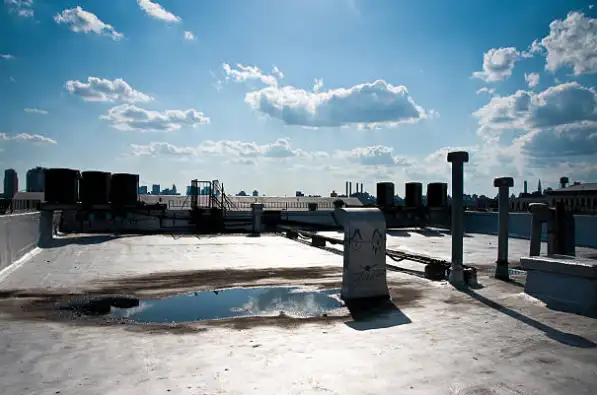
A flat roof is not perfectly flat. It requires a slope of at least a quarter inch per foot to allow water to drain toward the outlets. When that slope is missing or the drainage system is inadequate, water sits on the roof surface and accelerates material breakdown. This is called ponding water, and it is the single most common cause of flat roof failure. Every flat roof construction project we take on starts with a drainage analysis to make sure water moves off the surface the way it should.
Expert Roof Work You Can Trust
Licensed, Insured & Guaranteed
- Services
Flat Roofing Systems We Install
There are several flat roofing systems used in residential and commercial construction. Each has different performance characteristics, and the right choice depends on the building type, budget, and how much traffic the roof will see.
TPO (Thermoplastic Polyolefin)
TPO is a single-ply reflective membrane popular on commercial flat roofs for its energy performance. The white surface reflects solar heat, helping reduce cooling costs through summer. Seams are heat-welded on site, and seam quality is critical. A rushed or improperly calibrated weld in cold conditions is the most common source of future leaks on this system.
EPDM (Rubber Roofing)
EPDM is a synthetic rubber membrane and one of the most widely used flat roofing materials available. It is highly flexible, allowing it to expand and contract through temperature changes without cracking. It performs well in freeze-thaw conditions, is straightforward to repair, and is generally the most cost-effective single-ply option on the market.
Modified Bitumen
Modified bitumen is a multi-layer asphalt-based system with a strong track record in demanding climates. The cap sheet sits over a base sheet, so if the outer surface is compromised, the layer underneath continues protecting the building. That built-in redundancy makes it one of the most reliable choices for properties that see extreme seasonal temperature swings.
Built-Up Roofing (BUR)
Built-up roofing is the original flat roofing system, built from layers of roofing felt and hot asphalt topped with gravel. It has an outstanding track record on large commercial and industrial buildings. The multi-layer construction delivers excellent waterproofing and long-term durability, though a structural review is required before installation due to its weight.
PVC Roofing
PVC is a thermoplastic membrane similar to TPO but with superior chemical resistance and fire performance. It is the right choice for flat roofs over commercial kitchens, manufacturing spaces, or any property where chemical fumes, grease, or runoff could come into contact with the roofing system during normal operations.
Drainage Design: The Most Important Part of Any Flat Roof
No matter which system is installed, drainage is what makes or breaks a flat roof. We use tapered insulation systems to build the correct slope into the roof assembly itself, directing water toward internal drains, scuppers, or gutters depending on the building’s layout. We also account for winter snow melt, which can overwhelm drainage outlets if they are not sized and positioned correctly.
A flat roof built without a proper drainage plan is a flat roof that will fail ahead of schedule. We do not cut corners on this part of the job.
Residential vs. Commercial Flat Roofs
The approach to a residential flat roof on a Chicago bungalow or two-flat is different from a large commercial flat roof on a warehouse or office building. Residential jobs tend to be smaller in scale but require just as much precision.
The materials commonly used on residential flat roofs include modified bitumen, EPDM, and TPO. Commercial jobs often involve more complex drainage layouts, rooftop HVAC equipment, parapet walls, and coordinated work with other trades. We handle both, and we tailor the system recommendation to the specific property.
How the Process Works
01
Free Inspection & Drainage Assessment
We start every job with a free on-site inspection, evaluating the existing roof condition, deck integrity, and drainage layout before any work is scoped.
02
System Selection & Written Quote
We walk through the roofing system options suited to your building and budget, then provide a detailed written estimate with a clear breakdown of everything included.
03
Permits & Scheduling
We handle all permit applications and coordinate the project schedule to minimize disruption to your property or tenants.
04
Tear-Off & Deck Preparation
We remove the existing roofing system, inspect the deck, and repair any damaged areas before installation begins, ensuring a solid and code-compliant base.
05
Membrane & Drainage Installation
Tapered insulation is installed to establish proper slope, followed by the roofing membrane, flashing at all edges, walls, and penetrations, and full integration with the drainage outlets.
06
Final Walkthrough & Warranty Handoff
We close every job with a thorough inspection and a walkthrough with you, then provide complete warranty documentation covering both materials and workmanship.
What Affects the Cost
Flat roof construction costs vary based on the size of the roof, the system selected, the condition of the existing deck, the complexity of the drainage layout, and the number of penetrations that need to be flashed and waterproofed. We do not quote a flat roof without seeing it first. Every project gets a detailed written estimate that breaks down exactly what is included. Contact us for a free inspection and we will give you a clear picture of what your specific roof requires.
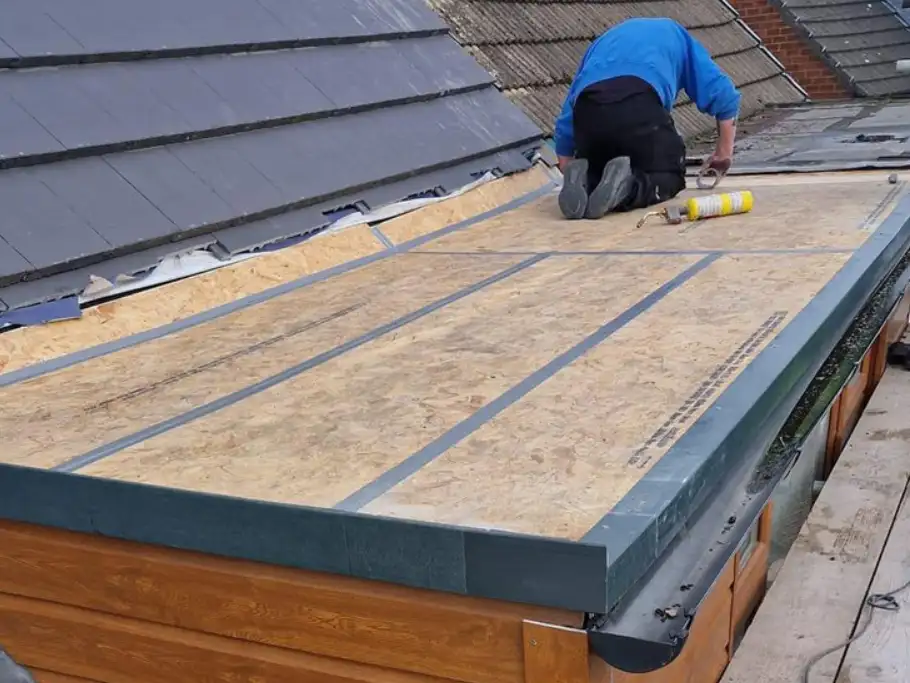
Maintaining Your Flat Roof After Construction
A well-built flat roof will perform for many years, but it does need periodic attention. We recommend an inspection at least once a year, typically in spring after the winter season, to check seams, flashings, drains, and the membrane surface. Many manufacturer warranties require semi-annual inspections by a certified contractor to remain valid. We offer ongoing maintenance programs for all flat roofing systems we install, which is the best way to catch small issues before they become expensive ones.
- Why Choose Us
Why Homeowners Work With Us
We are fully licensed, bonded, and insured. We carry manufacturer certifications that allow us to pass extended material warranties directly to homeowners. Every job comes with a workmanship warranty in addition to the manufacturer coverage. We serve homeowners throughout Chicago and all surrounding neighborhoods, and we show up on time, communicate clearly, and clean up after ourselves. Roofing is a significant investment, and we treat it that way.
Transparent Pricing
No hidden fees; you know exactly what you are paying for.
Workmanship Warranty
Repairs backed by a warranty for your peace of mind.
Experienced Workforce
Skilled roofers with years of local Chicago experience.
24/7 Emergency Services
Fast response for leaks, storm damage, or ice dams.
Award Wining
Excellence You Can Trust
- FAQs
Frequently Asked Questions
Most residential roof replacements take one to three days depending on the size and complexity of the roof.
Yes, a permit is required for full roof replacements in Chicago. We handle the permit process as part of our service.
Architectural asphalt shingles are the most practical choice for most Chicago homeowners due to their balance of cost, performance, and weather resistance. Metal roofing is an excellent long-term option for those willing to invest more upfront.
It depends on the cause. Storm damage is typically covered. Deterioration from age is usually not. We can assist with documentation for insurance claims.
Lorem ipsum dolor sit amet, consectetur adipiscing elit. Ut elit tellus, luctus nec ullamcorper mattis, pulvinar dapibus leo.
Quick Links
Our Services
- Roofing Construction
- Roof Maintenance
- Roof Repair
- Emergency Roof Repair
- Rooftop Snow Removal
- Interior Roof Repair
Contact Info
- +1 (773) 337-7813
- 2421 S, Drake Ave, Chicago, IL 60623 USA
- Mon - Fri : 8.00 AM - 7.00 PM
Copyright ©2026 Roof Repair Schicago. All Rights Reserved.